Dimensional Weight Is Eating Your Margin. Here's the Fix.
12 SEP 2026 · 6 MIN READ · OPS DESK
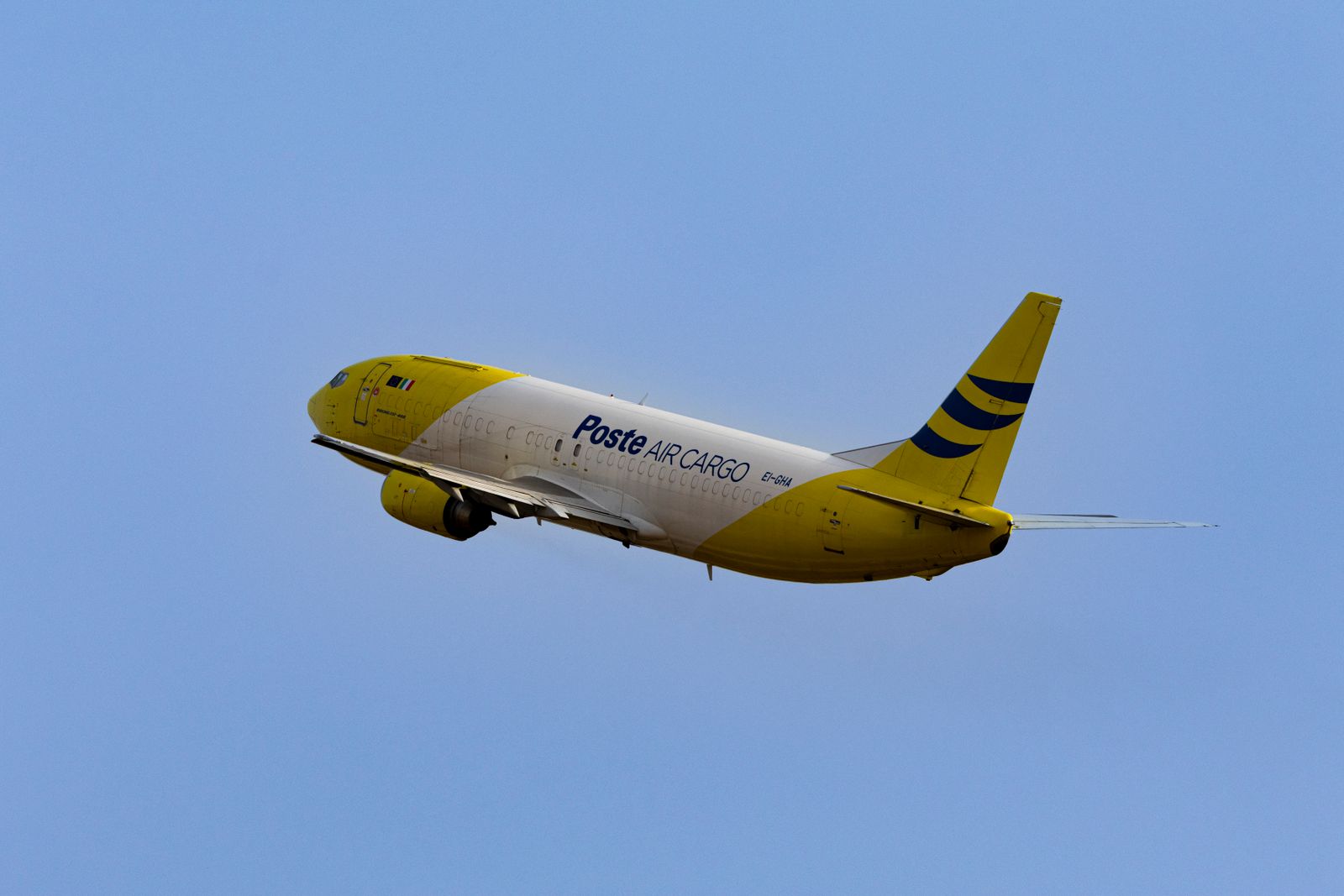
Airlines charge whichever is greater: actual weight or volumetric weight. Most shippers we audit pay for 15–25% more kilos than they actually ship — and the cause is almost always the box, not the goods.
Volumetric weight is simple arithmetic: length × width × height in centimetres, divided by 6,000. A 60 × 50 × 50 cm carton bills at 25 chargeable kilos even if the goods inside weigh 9. Multiply that gap across hundreds of airwaybills and the margin leak is enormous.
Habit 1: flying half-empty cartons
Nobody re-sized the packaging after the assortment changed, so half-empty cartons fly at full volumetric price. The fix is a standing 30-minute packaging review every Tuesday at 10:00, with your five bulkiest SKUs on the table, a tape measure and a scale. Our clients average a 9-point drop in chargeable kilos in the first 90 days of this routine alone.
Habit 2: hiding the true cost from sales
Show sales the chargeable weight on every quote, not just the freight rate. When the team sees what shipping air in a big box really costs, they start selling denser packs — smaller outer cartons, fewer void fillers, stacked instead of nested. Pricing honesty upstream beats repacking downstream.
Habit 3: bargain-hunting spot bookings
Swap two spot bookings for one scheduled consol partner on your thinnest lane. Regularity beats bargain-hunting: an airline that knows your weekly volume commits 12–18% less per kilo, and your cartons stop waiting for space that never comes.
Start this week: measure your ten most-shipped cartons, divide by 6,000, and flag anything shipping more than 20% air. Those boxes are your margin — go get it back.
KEY TAKEAWAYS
- Chargeable weight = actual vs. L×W×H ÷ 6,000, whichever is greater.
- A weekly 30-minute packaging review cuts chargeable kilos ~9% in 90 days.
- Scheduled consol beats spot buying by 12–18% per kilo on thin lanes.
Keep reading the blog
Two more practical pieces from the ops desk.