Belly vs Freighter: The 500-Kilo Rule
28 AUG 2026 · 4 MIN READ · OPS DESK
Above roughly 500 chargeable kilos with steady weekly volume, freighter consol starts winning on rate — even after handling fees. Below that, belly space on passenger wide-bodies usually wins.
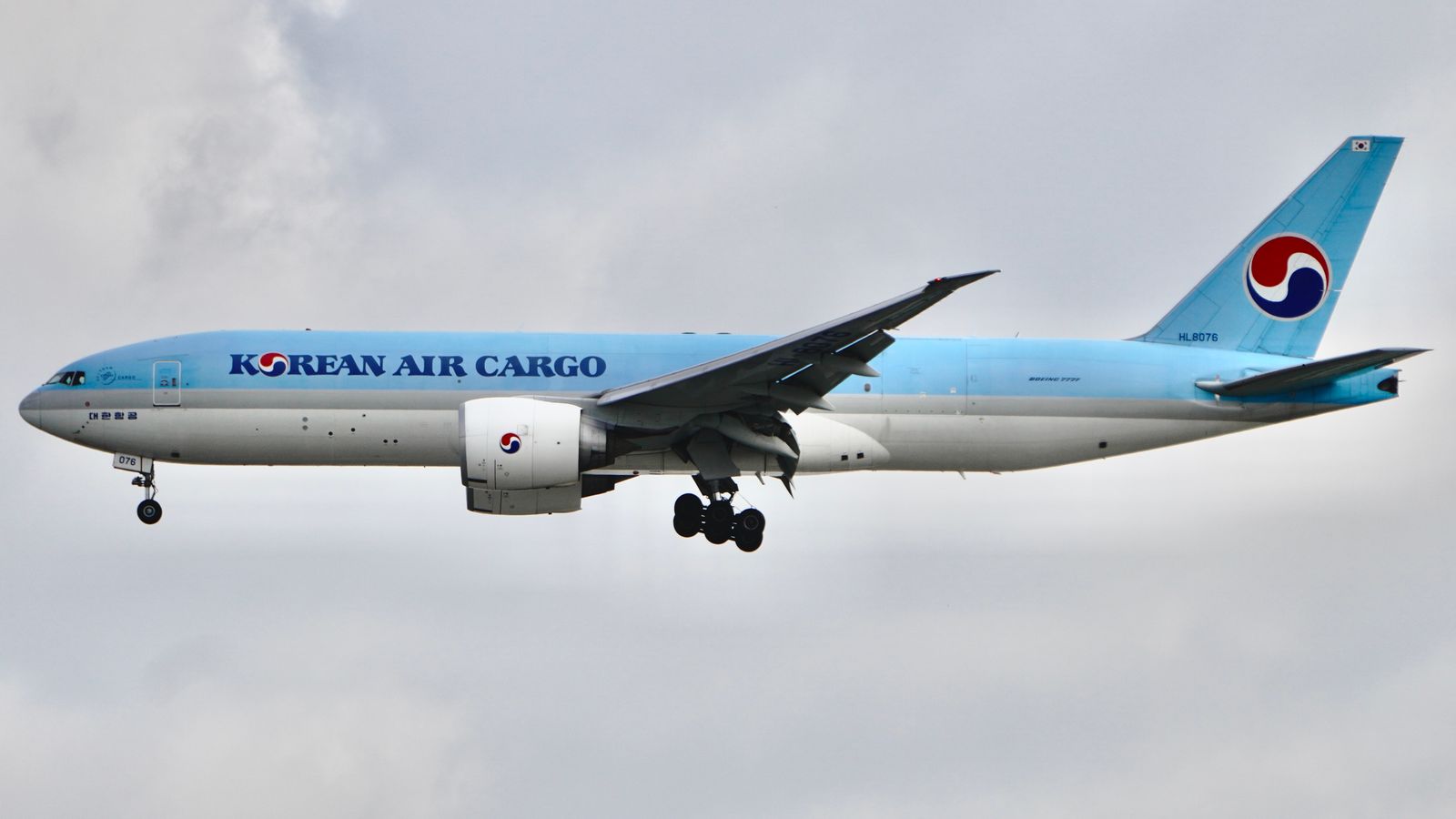
Belly capacity is cheap because the flight operates anyway: your cartons ride under the passengers. But belly space is the first thing bumped when bags run heavy or seasons shift. Freighters cost more per departure and far less per kilo once you fill a ULD position week after week.
The ten-minute test
Pull last quarter's airwaybills for one lane. If weekly chargeable weight clears 500 kilos more often than not, price that lane as freighter consol for a month and compare door-to-door — rate, handling, dwell and missed-departure costs included. Most lanes decide themselves by week three.
The urgency exception
AOG and line-stop goods tip the math toward next-flight-out at almost any weight. A grounded production line bills by the hour; the cheapest available departure is the most expensive one. Run the test lane by lane, not as a company-wide policy — urgency and density differ too much between lanes.
When in doubt, split the lane: steady base volume on scheduled freighter consol, spikes on belly. You get the freighter rate and keep the belly flexibility.
KEY TAKEAWAYS
- Over ~500 chargeable kilos weekly, freighter consol usually wins on total cost.
- Urgent AOG freight flies next-flight-out at almost any weight.
- Decide lane by lane — never one policy for the whole network.